

Building High Performance Teams
Conflict Prevention & Collaboration
Why wait for conflict to teach people how to work together?
Build the communication skills that surface disagreements early and the shared practices that make collaboration consistent across teams.
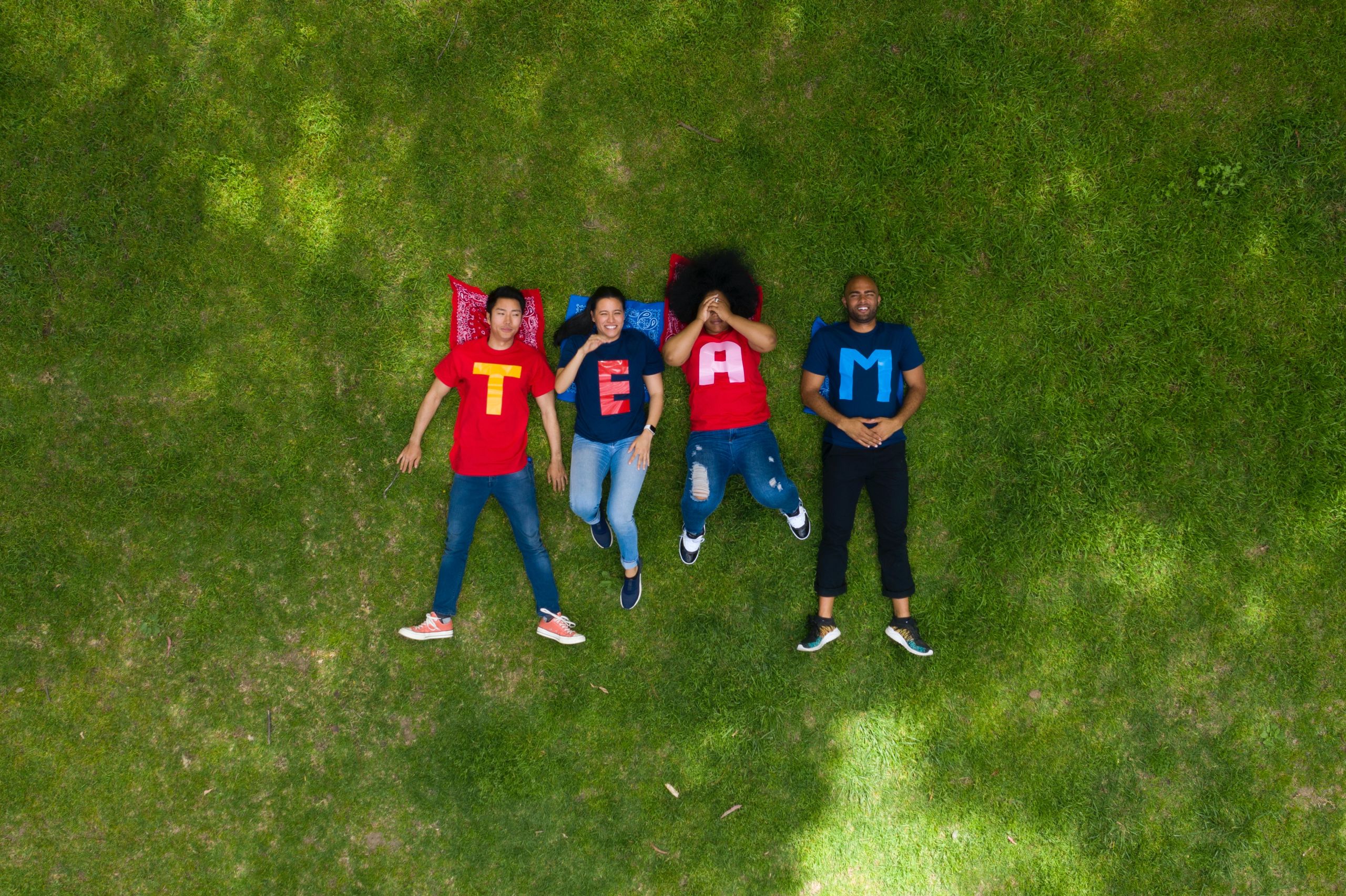
Practice before there’s a conflict to resolve.
Conflict resolution is useful once a dispute has started. If that’s the only skill people develop, the first real test comes when trust is already strained. We give teams a chance to practice on everyday work, while small misunderstandings are still easy to fix.

Check assumptions.
Ask what others heard, understood, and expect before acting on a different version of the same conversation.
Raise concerns early.
Practice disagreeing directly and respectfully so a small concern can be heard before it becomes personal.
Make commitments clear.
End conversations with a shared understanding of who owns the next step and when to reconnect.
A new game for leadership
Design collaboration into the way work gets done.
When collaboration depends on each manager’s personal style, employees get a different experience from one department to the next. We help managers across the organization agree on how teams share information, make joint decisions, and handle work that crosses departments. Then managers practice those routines together and improve them based on what happens at work.

- Shared handoffs
- Teams agree what information must travel with the work and who takes ownership next.
- Joint decisions
- Managers bring affected teams in while there’s still time to shape the decision.
- Early conversations
- People know where to raise competing priorities and how to work through them together.
Accountability for results
A guarantee tied to your collaboration goals.
We guarantee the specific collaboration outcomes we agree to for your development program. Before we begin, we define the outcomes, how we’ll measure them, and what success looks like. Depending on your priorities, measures might include:
- Fewer handoffs sent back for missing information.
- Faster decisions when more than one department is involved.
- More cross-team commitments delivered by the agreed date.
Where does working together get harder than it should?
Bring one recurring friction point between teams. Let’s talk about the communication skills and shared practices that could prevent it from happening again.